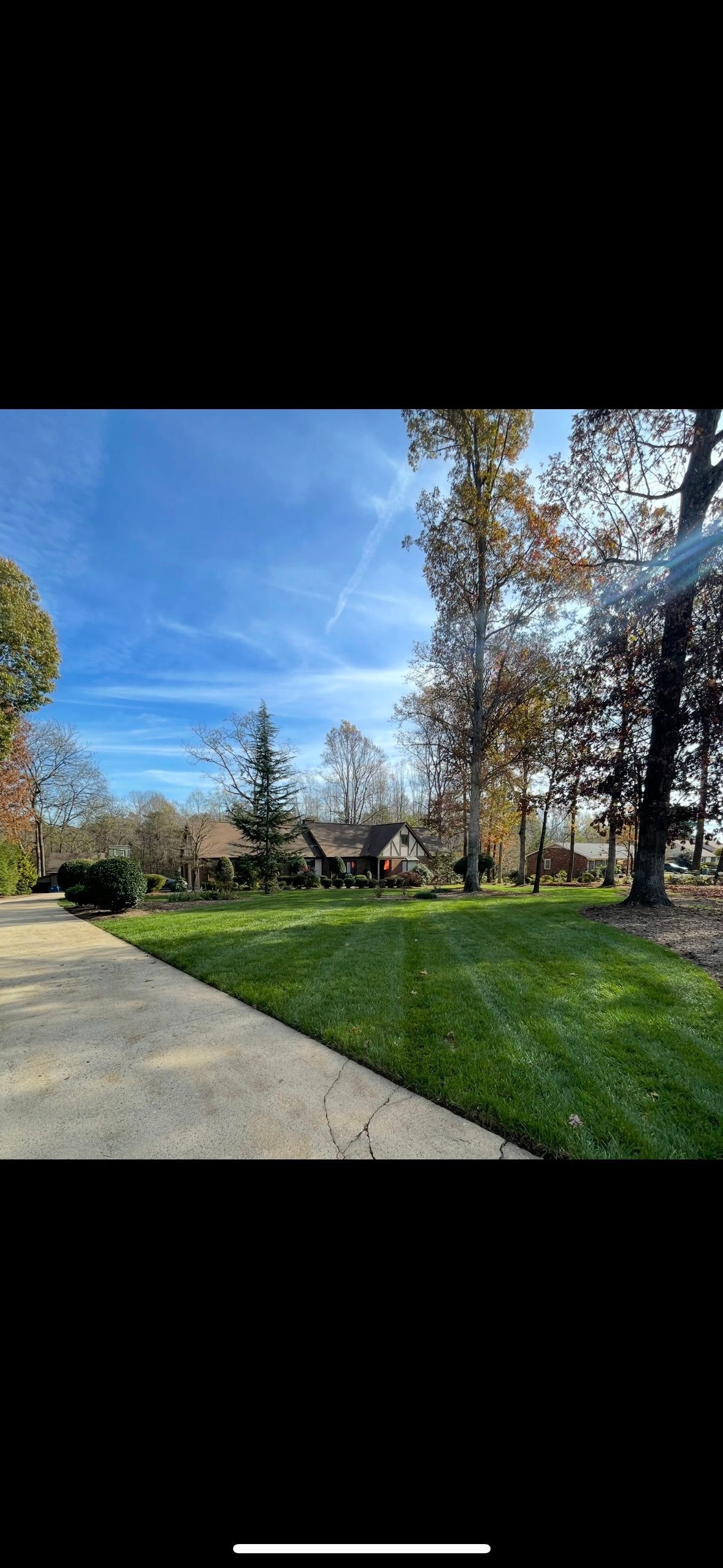
When Should You Schedule Bush Trimming in Lincolnton, NC?
Scheduling bush trimming at the right time in Lincolnton, NC keeps your shrubs healthy, well-shaped, and growing strong through every season.
What Happens When Shrubs Go Too Long Without Trimming?
Neglected shrubs do not just look overgrown. They develop structural problems that become harder and more costly to correct the longer you wait.
When branches grow unchecked, the interior of the shrub becomes dense and shaded. Sunlight cannot reach the inner leaves, so growth concentrates at the outer tips while the interior thins out and turns woody. Over time, this creates a shrub that looks full on the surface but is hollow and leggy underneath. If you trim it back hard at that point, you are left with bare branches that may take an entire growing season or longer to fill back in.
Overgrown shrubs also crowd walkways, block windows, press against siding, and interfere with gutters and roof edges. Branches that touch the house create moisture traps that encourage mold, mildew, and pest entry points. Keeping shrubs trimmed to an appropriate size and shape prevents these issues and maintains clearance around your home's exterior. Browse examples of well-maintained landscapes in our project gallery to see what regular trimming can do for curb appeal.
Best Times of Year to Trim Common Shrub Varieties
Trimming timing depends on whether the shrub blooms on old wood or new wood, and getting this detail wrong can cost you an entire season of flowers.
Spring-blooming shrubs like azaleas, forsythia, and rhododendrons set their flower buds on branches that grew the previous year. These should be trimmed immediately after they finish flowering, typically in late spring. If you trim them in fall or winter, you remove next year's buds and the plant will not bloom.
Summer-blooming shrubs like crape myrtles, butterfly bushes, and Rose of Sharon flower on new growth produced during the current season. These can be trimmed in late winter or early spring before new growth begins without affecting blooms. Broadleaf evergreens like boxwood, holly, and privet can be trimmed in late spring after the first flush of growth hardens off, with a light follow-up trim in midsummer if needed to maintain shape. Knowing which category your shrubs fall into prevents accidental bloom loss and keeps your beds looking their best throughout the year.
How Professional Trimming Differs From Basic Hedge Cutting
There is a meaningful difference between running electric hedge shears across the top of a row of bushes and performing targeted trimming that promotes healthy growth patterns.
Professional trimming involves selective cuts that remove dead wood, crossing branches, and overly dense growth from the interior of each shrub. These cuts allow air to circulate through the canopy and let sunlight penetrate deeper into the plant, which encourages even growth from the base up rather than just at the tips. The result is a shrub that holds its shape longer between trimmings and resists disease better because moisture does not get trapped inside a dense canopy.
Shearing alone creates a thin shell of leaves on the outside of the shrub while the interior remains bare. Each time you shear, the new growth pushes outward another inch or two, and the shrub gradually gets larger while its interior stays empty. Professional crews combine shearing for shape with hand pruning for plant health, giving you clean lines on the outside and a strong structure underneath that supports long-term growth.
How Lincolnton's Weather Patterns Influence Trimming Schedules
Weather conditions across Lincoln County play a direct role in how often your shrubs need attention and when trimming should be scheduled.
Lincolnton's warm, humid summers drive rapid growth in most shrub species from April through September. During peak growing months, boxwood and privet hedges may need trimming every four to six weeks to maintain a clean shape. The combination of regular rainfall and warm temperatures accelerates shoot elongation, which means a hedge that looked crisp in early May can appear shaggy by mid-June if it is not maintained on a regular cycle.
Late-season storms and the occasional early frost also affect trimming decisions. Trimming too late in the fall can stimulate a flush of tender new growth that gets damaged by the first freeze, leaving brown tips visible throughout the winter. Most trimming should wrap up by mid-October to give new growth time to harden before cold weather arrives. Ice storms, while less common, can snap overgrown branches that extend too far from the main trunk, so keeping shrubs compact and well-shaped heading into winter reduces storm damage risk.
Well-timed trimming keeps your shrubs healthy, your beds tidy, and your property looking its best through every season. Start your bush trimming program with NC Hardscape and Design by calling 828-449-0337. Visit our FAQ page for answers to common landscaping questions before your first appointment.